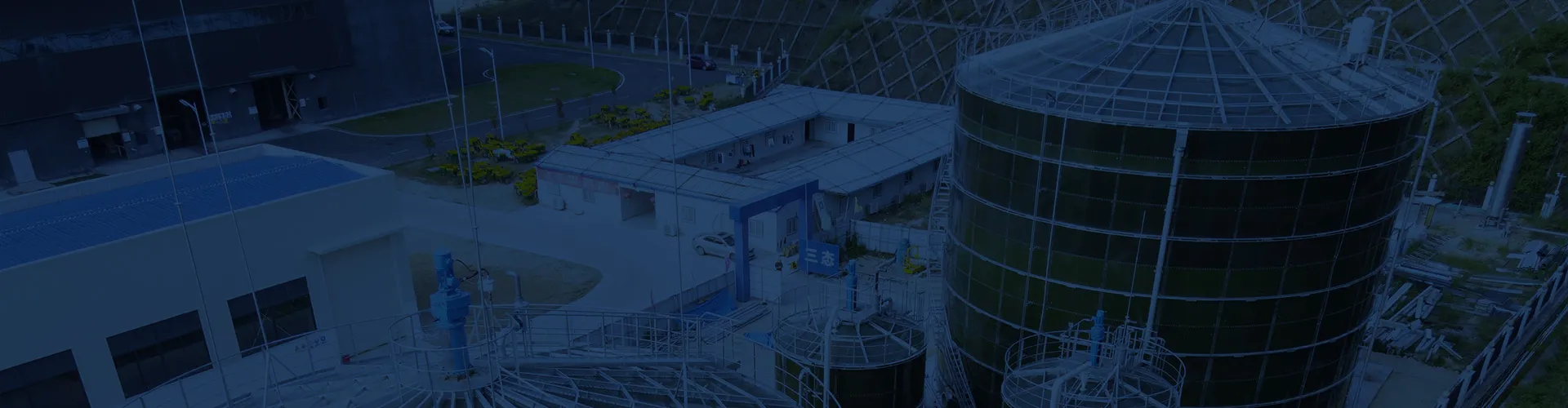
Fire water tanks are critical components of any industrial, commercial, or institutional fire protection system. While capacity and location are often the first considerations, structural integrity and corrosion resistance are essential for ensuring long-term reliability and safety. Failure to address these factors can compromise emergency response capabilities, increase maintenance costs, and pose serious operational risks.
This article explores the structural and corrosion requirements for long-term fire water storage, best practices for material selection, design considerations, maintenance strategies, and compliance with industry standards, providing actionable guidance for facility managers, EPC contractors, and safety engineers.

The Importance of Structural Integrity
A fire water tank must withstand static and dynamic loads over decades of operation. Structural failures can lead to catastrophic water loss, property damage, and business interruptions. Key structural considerations include:
1. Load-Bearing Capacity
Tanks must support the weight of stored water, which can exceed several thousand tons in industrial facilities.
Structural design should account for dead loads, live loads, and external environmental forces, such as wind or seismic activity.
2. Material Strength and Durability
Steel tanks require proper thickness and reinforcement to resist deformation.
Fiberglass (GFS) tanks offer flexibility and corrosion resistance, but must be designed to resist structural stress from water volume and environmental conditions.
Concrete tanks require reinforced structures, especially for underground installations, to withstand hydrostatic pressure and external soil load.
3. Joint and Weld Integrity
For steel or bolted tanks, welded and bolted joints are potential weak points.
Proper welding techniques, periodic inspection, and protective coatings are essential for preventing leaks and structural failure.
Corrosion Challenges in Long-Term Water Storage
Corrosion is one of the leading causes of fire water tank failure. Over time, water chemistry, environmental exposure, and material limitations can degrade tank integrity.
1. Internal Corrosion
Continuous contact with water, especially if untreated or chemically aggressive, can lead to pitting, rust, or microbial-induced corrosion.
Steel tanks require epoxy or polyurethane coatings, while fiberglass tanks naturally resist internal corrosion.
2. External Corrosion
Tanks exposed to humidity, salt air, chemicals, or industrial emissions are vulnerable.
Protective coatings, cathodic protection, and proper placement reduce environmental corrosion risks.
3. Water Quality Management
Maintaining neutral pH, low dissolved oxygen, and controlled chemical composition reduces internal corrosion rates.
Periodic water treatment and monitoring prevent scaling, sediment buildup, and microbial growth.
Material Selection for Long-Term Durability
Selecting the right material is crucial for minimizing corrosion and ensuring structural longevity.
Steel Tanks
Advantages: High strength, durability, and suitability for large capacities.
Requirements: Protective coatings, cathodic protection, and routine inspection to prevent rust.
Fiberglass (GFS) Tanks
Advantages: Corrosion-resistant, lightweight, low-maintenance.
Requirements: UV-resistant surface, reinforced layers for load-bearing capacity.
Concrete Tanks
Advantages: Robust for underground or heavy-load installations, excellent chemical resistance.
Requirements: Reinforced design, waterproofing additives, and external protection against soil corrosion.
Customized material solutions allow facilities to balance cost, durability, and compliance requirements.
Design Considerations for Structural and Corrosion Resistance
Hydrostatic Load Distribution
Tanks must evenly distribute water pressure to prevent deformation.
Structural ribs, reinforced bases, and internal supports enhance longevity.
Environmental Adaptation
Roof design, drainage systems, and protective coatings minimize environmental impact.
Underground tanks require reinforced walls and corrosion inhibitors to withstand soil and groundwater conditions.
Redundancy and Safety Factors
Incorporating safety margins beyond design capacity ensures reliability under extreme conditions.
Dual-tank configurations or overflow management prevent catastrophic failure during peak demand.
Access for Maintenance
Platforms, ladders, and inspection hatches allow regular monitoring of structural integrity and corrosion.
Ease of access reduces downtime and maintenance costs.
Monitoring and Maintenance Strategies
Even well-designed tanks require proactive maintenance to prevent structural or corrosion failures.
1. Sensor-Based Monitoring
Level sensors, corrosion probes, and pressure sensors provide early warnings of potential failures.
Digital dashboards allow real-time monitoring and historical data analysis.
2. Routine Inspection
Periodic visual inspections, ultrasonic thickness tests, and joint assessments identify early signs of stress or corrosion.
Maintenance schedules should align with regulatory and insurance requirements.
3. Preventive Maintenance
Recoating, cathodic protection, and water treatment are performed based on monitoring data.
Proactive maintenance reduces long-term repair costs and avoids emergency shutdowns.
Regulatory and Compliance Requirements
Long-term fire water storage must meet industry standards for structural and corrosion performance:
NFPA Standards: Specify design, material, and capacity requirements for fire protection water storage.
ISO 9001: Ensures quality management in manufacturing and maintenance.
Local Fire Codes: Often define tank size, material, and monitoring requirements.
Environmental Regulations: Require proper coatings, leak prevention, and water quality control.
Compliance not only enhances operational safety but also ensures eligibility for insurance coverage and reduces liability risks.
Real-World Applications
Industrial Facilities
Chemical plants and refineries upgraded steel tanks with epoxy coatings and sensor systems to extend service life.
Commercial Buildings
High-rise complexes replaced older concrete tanks with reinforced GFS tanks to meet updated fire safety standards.
Remote Infrastructure
Rural facilities installed underground reinforced tanks with monitoring systems to ensure readiness despite limited municipal water supply.
These upgrades improved safety, minimized maintenance, and ensured compliance with updated regulations.
Best Practices for Long-Term Fire Water Storage
Conduct structural assessments before retrofitting or expanding tanks.
Select materials based on load, environment, and chemical exposure.
Integrate sensor-based monitoring for corrosion and structural health.
Implement preventive maintenance based on real-time and historical data.
Ensure regulatory compliance through documentation, inspections, and certifications.
Conclusion
Long-term reliability of fire water tanks depends on a careful balance of structural integrity and corrosion resistance. Facility managers, EPC contractors, and industrial operators must consider material selection, design, monitoring, and preventive maintenance to meet modern safety and compliance standards. By addressing these factors proactively, fire water tanks provide dependable emergency water supply, protect personnel and assets, and reduce operational risks.
For facilities seeking durable, corrosion-resistant, and fully compliant fire water storage solutions tailored to long-term operational needs, Wansheng provides advanced systems and expert support to ensure your fire protection infrastructure remains reliable and ready at all times.