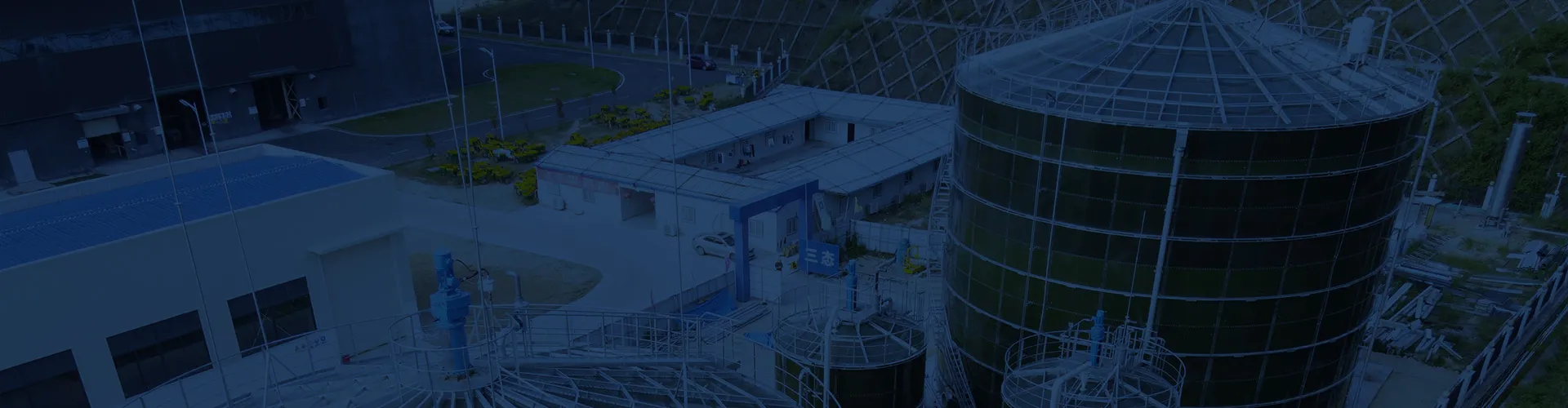
Industrial facilities, ranging from chemical plants and refineries to manufacturing complexes and warehouses, face unique fire protection challenges. A reliable fire water storage system is a critical component of any facility’s safety infrastructure. Proper design ensures that adequate water supply is available to fire pumps, sprinkler systems, hydrants, and deluge systems during emergencies. Miscalculations can lead to insufficient firefighting capacity, regulatory non-compliance, and heightened risk to personnel and assets.
For industrial facilities, selecting the right tank system and adhering to best design practices are essential. Modular solutions like Glass Fused To Steel Tank systems are increasingly preferred for their durability, ease of installation, and low maintenance requirements.
Understanding Industrial Fire Water Requirements
Fire water tanks in industrial facilities must be capable of supplying water reliably during fire events. The design considerations include:
Flow Rate Requirements: Industrial processes often involve high-risk materials, necessitating larger fire flows compared to residential or commercial systems.
Duration of Supply: Depending on hazard classification, tanks must provide water for a specified duration, often ranging from 30 minutes to several hours.
Pressure Maintenance: Fire pumps require a consistent suction head to operate efficiently. Tank design must accommodate static and dynamic head losses.
Compliance with Standards: NFPA 22, local fire codes, and insurance requirements guide minimum capacity, construction, and safety measures.
Key Design Considerations
1. Material Selection
Selecting the right material is critical for tank longevity, water quality, and operational safety. Industrial environments can be harsh, with exposure to chemicals, temperature fluctuations, and corrosive atmospheres.
Concrete Tanks: Robust and fire-resistant, but heavy and labor-intensive to construct.
Welded Steel Tanks: Strong but susceptible to corrosion; requires coatings and skilled labor.
Modular Glass Fused To Steel Tank Systems: Combine the strength of steel with the protective qualities of glass enamel. These tanks resist corrosion, require minimal maintenance, and allow rapid modular assembly, making them ideal for industrial applications.
2. Tank Capacity and Sizing
Engineers must calculate tank capacity based on the facility’s fire risk and system requirements. Key factors include:
Fire Flow Rate (L/min): Determined by building size, occupancy, process hazards, and sprinkler or hydrant specifications.
Duration of Supply: Ensures uninterrupted water availability for the entire firefighting operation.
Additional Allowances: Include potential losses from pipe friction, pump inefficiency, or water leakage.
Formula Example:
Tank Capacity (Liters) = Fire Flow (L/min) × Duration (min) + Safety Allowance
Modular Glass Fused To Steel Tank systems allow for future expansion, which is essential for industrial facilities that may scale operations over time.
3. Structural Integrity and Seismic Considerations
Industrial fire water tanks must withstand internal water pressure, environmental loads, and potential seismic activity. Design considerations include:
Panel Strength and Thickness: Ensures tank stability under full water load.
Joint Design: Proper sealing prevents leaks. Modular tanks use bolted joints, reducing labor and ensuring reliability.
Anchoring and Foundations: Must account for soil conditions, tank size, and potential seismic forces. Modular tanks typically require lighter foundations than traditional concrete tanks, reducing installation complexity.
4. Location and Accessibility
The placement of fire water tanks affects system efficiency and maintenance:
Proximity to Fire Risks: Minimizes pipe length, ensuring rapid water delivery.
Ease of Access for Inspection: Tanks should include access hatches and walkways for routine inspections.
Integration with Pump Rooms and Piping: Ensure minimal friction losses and easy connection to fire pumps.
5. Maintenance and Operational Considerations
Industrial facilities often operate continuously, making tank maintenance critical. GFS tanks offer significant advantages:
Corrosion Resistance: Glass enamel coating protects steel panels from chemical and environmental damage.
Low Maintenance: Unlike traditional steel tanks that require periodic painting or concrete tanks that may develop cracks, GFS tanks retain structural integrity with minimal upkeep.
Inspection-Friendly Design: Modular panels allow easy access to interior surfaces, valves, and connections.
6. Environmental and Regulatory Compliance
Industrial fire water tanks must comply with environmental regulations:
Water Quality Standards: Avoid contamination to ensure fire suppression effectiveness.
Stormwater Management: Tanks should include overflow and drainage systems.
Sustainability: Modular systems reduce construction waste and can be partially recycled at the end of service life.
7. Integration with Fire Protection Systems
Effective fire water tank design must consider system integration:
Fire Pump Compatibility: Tank height and suction head must match pump specifications.
Sprinkler and Hydrant Systems: Pipe sizing and layout influence tank design.
Redundancy: Some industrial facilities include multiple tanks to provide backup water supply.
8. Cost Optimization
While safety and compliance are paramount, cost efficiency is also critical:
Reduced Labor Costs: Modular GFS tanks require fewer on-site personnel compared to concrete or welded steel tanks.
Faster Installation: Modular panels can be assembled quickly, reducing project timelines and associated labor overhead.
Long-Term Savings: Minimal maintenance and durability reduce lifecycle costs.
Case Studies: Industrial Applications
Chemical Plants: Require corrosion-resistant tanks to store water near hazardous materials. GFS tanks provide durability and long-term safety.
Manufacturing Facilities: High fire loads demand large-capacity tanks; modular design allows future expansion without major reconstruction.
Warehouses and Logistics Hubs: Rapid deployment of modular GFS tanks ensures compliance with fire safety codes while minimizing installation disruption.
Future Trends in Industrial Fire Water Tank Design
Smart Monitoring: IoT-enabled sensors allow real-time monitoring of water levels, quality, and pump performance.
Hybrid Systems: Combining above-ground modular tanks with underground reservoirs for enhanced capacity and redundancy.
Eco-Friendly Coatings: Advances in glass enamel technology further improve corrosion resistance while reducing environmental impact.
Rapid Deployment: Prefabricated modular systems enable faster emergency water storage solutions for high-risk industrial zones.
Conclusion
Designing fire water tanks for industrial facilities requires careful consideration of capacity, materials, structural integrity, accessibility, and compliance. Modular Glass Fused To Steel Tank systems offer an optimal balance of durability, low maintenance, and scalability. They are particularly suited to industrial environments with demanding operational and regulatory requirements, providing a reliable water source for fire protection systems while reducing labor and long-term costs.
For industrial engineers, project managers, and procurement specialists, partnering with Wansheng ensures access to high-quality Glass Fused To Steel Tank solutions, expert design support, and comprehensive project guidance.
Wansheng – Your trusted partner for durable, cost-efficient, and compliant fire water storage solutions.