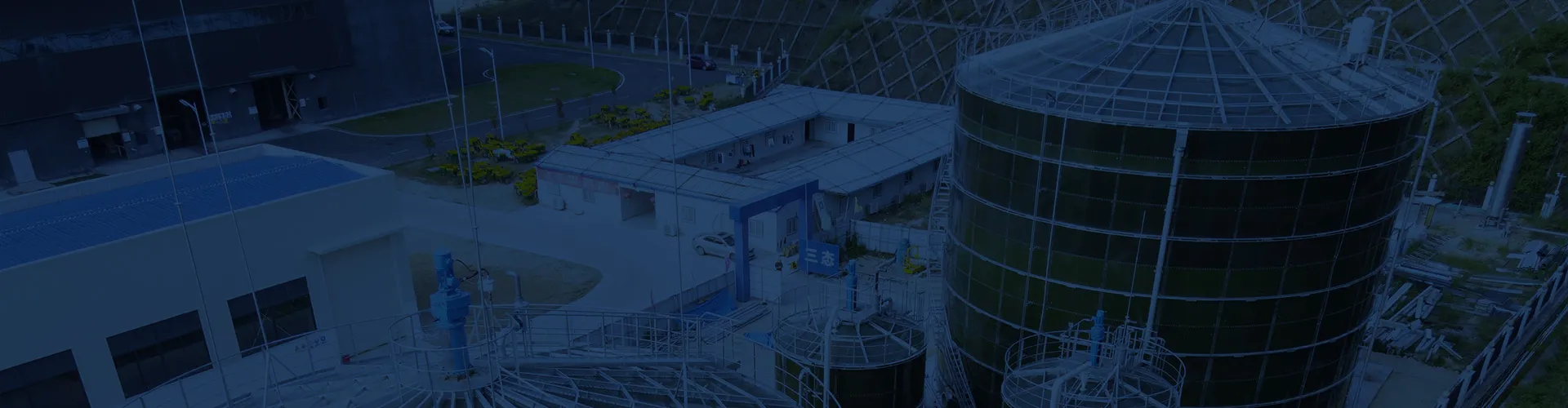
Fire water tanks are essential components of modern fire protection systems. They provide a reliable water supply for fire sprinklers, hydrants, foam suppression systems, and emergency firefighting operations. Selecting the right fire water tank for a project is critical to ensure safety, compliance, operational efficiency, and long-term performance.
This guide provides a comprehensive overview of how to choose the right fire water tank for your project, covering design considerations, material selection, capacity planning, installation, and lifecycle management.
Step 1: Understand Project Requirements
Before selecting a fire water tank, it is crucial to assess your project’s specific needs.
Key considerations include:
Purpose of the tank: Will it serve a building, industrial facility, warehouse, or municipal installation?
Regulatory requirements: Local fire codes, building standards, and insurance mandates often dictate minimum capacity and design specifications.
Integration with fire protection system: Identify required flow rates for sprinklers, hydrants, and foam systems.
Environmental conditions: Temperature variations, exposure to chemicals, humidity, and coastal or industrial atmospheres.
Understanding these requirements lays the foundation for proper tank selection.
Step 2: Determine Required Tank Capacity
Tank capacity is primarily determined by the fire protection system demand and the required duration of water supply.
Steps to calculate capacity:
Calculate total flow rate required for all firefighting systems.
Determine required duration of supply (commonly 30–60 minutes for industrial applications).
Include allowances for system losses, maintenance, and emergency contingencies.
A correctly sized tank ensures that water is available during an emergency without compromising system performance.
Step 3: Choose the Right Tank Material
Fire water tanks are available in multiple materials, each with advantages and limitations.
Common options:
Steel tanks: Strong and durable, often coated to prevent corrosion. Suitable for industrial sites but may require periodic maintenance.
Aluminum tanks: Lightweight, corrosion-resistant, and long-lasting with minimal maintenance. Ideal for coastal or humid environments.
Composite or FRP tanks: Corrosion-resistant and easy to install but may have lower structural strength for very large capacities.
Material choice affects durability, maintenance requirements, installation methods, and long-term operational costs.
Step 4: Assess Structural Design and Compliance
Fire water tanks must be designed to withstand structural loads and environmental conditions.
Key factors include:
Wind and snow load resistance
Seismic design for earthquake-prone areas
Hydrostatic and dynamic load management
Roof type: flat, conical, or dome design
Standards compliance: building codes, fire codes, and local regulations
Proper structural assessment ensures the tank can safely store water without risk of failure.
Step 5: Evaluate Installation Requirements
Installation efficiency and safety are critical for fire water tank projects.
Considerations include:
Site accessibility and foundation preparation
Prefabricated vs. on-site assembly
Roof installation method
Pipe connection alignment and integration with pumps, valves, and control systems
Safety during construction and commissioning
Well-planned installation reduces delays, labor costs, and operational risks.
Step 6: Plan for Water Quality and Maintenance
Maintaining water quality is essential for fire water tanks to ensure the reliability of fire protection systems.
Recommendations:
Include provisions for periodic flushing and inspection
Install level indicators, alarms, and access points for monitoring
Evaluate the need for coatings or linings to prevent contamination
Consider ease of maintenance when selecting tank material and roof type
A tank that is easy to maintain ensures system readiness at all times.
Step 7: Consider Lifecycle Cost and Efficiency
While upfront costs are important, total lifecycle cost is critical for long-term projects.
Factors affecting lifecycle cost:
Material longevity and corrosion resistance
Maintenance frequency and ease
Energy or operational requirements for integrated systems (e.g., pumps, monitoring)
Risk of downtime due to repairs or inspections
Selecting a durable tank with minimal maintenance requirements often results in significant cost savings over the lifespan of the project.
Step 8: Integration with Fire Protection Systems
A fire water tank is only effective if it integrates seamlessly with the overall fire protection infrastructure.
Integration considerations:
Suction lines for fire pumps
Overflow and drain connections
Level sensors and monitoring alarms
Compatibility with foam systems, hydrants, and sprinklers
Proper integration ensures immediate water availability during emergencies, which is critical for safety and compliance.
Step 9: Plan for Safety and Access
Tank safety features and accessibility are vital for operation and maintenance.
Key points:
Safe access ladders and platforms
Ventilation and overflow management
Emergency isolation valves and alarm systems
Clear internal access for inspections
Ensuring safe access and operational safety protects personnel and extends tank life.
Common Mistakes to Avoid
Even high-quality tanks can underperform if selection and planning are inadequate. Common mistakes include:
Undersized tanks or inadequate capacity
Overlooking material suitability for environmental conditions
Ignoring regulatory compliance
Poor planning for installation and integration
Focusing only on upfront costs instead of lifecycle value
Avoiding these mistakes ensures that the tank delivers reliable performance throughout its intended service life.
Final Thoughts
Choosing the right fire water tank for your project requires careful planning, technical evaluation, and attention to regulatory compliance. By considering project requirements, capacity, material, structural design, installation, maintenance, and integration, stakeholders can select a tank that ensures safety, reliability, and cost efficiency for decades.
A properly selected fire water tank is not just a storage unit—it is a critical component of a comprehensive fire protection system that safeguards lives, property, and operations.
Wansheng — Trusted Fire Water Tank Solutions for Reliable and Long-Term Protection.