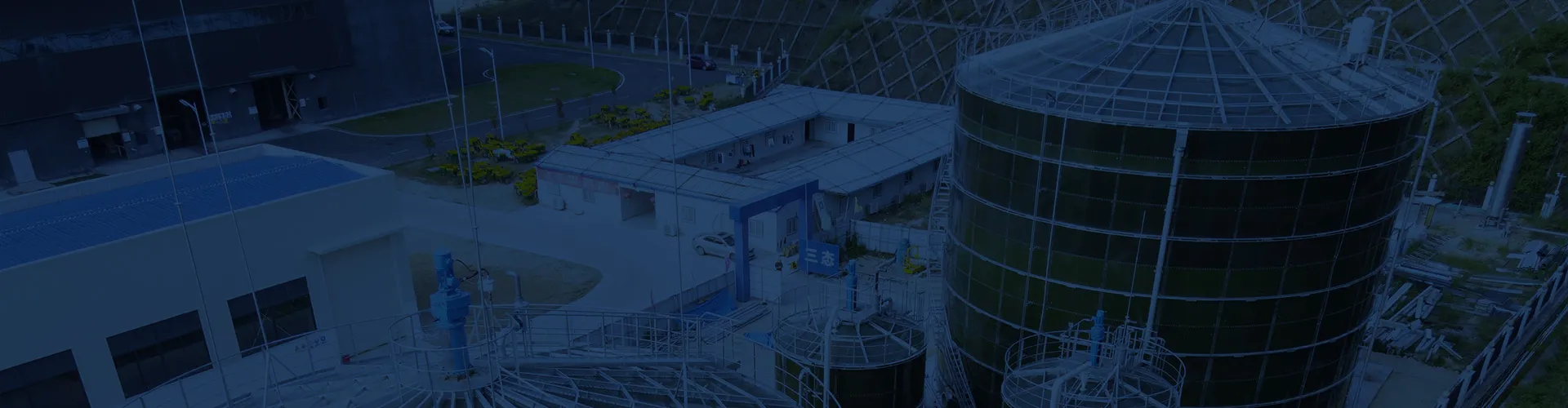
Glass-Lined Steel (GLS) tanks, also known as Glass-Fused-to-Steel (GFS) tanks or enamel tanks, have become one of the most trusted solutions for water treatment, wastewater processing, biogas projects, and a wide range of industrial and municipal storage applications. Their reputation for durability and stability has led many project owners, engineers, and contractors to ask the same question: How long do GLS tanks actually last?
The service life of a GLS tank is influenced by material technology, operational conditions, installation quality, and ongoing maintenance practices. This article provides a detailed, technical overview to help decision-makers understand realistic lifespan expectations and long-term performance characteristics of GLS tanks.
1. Understanding GLS Tank Technology
A GLS tank is made by fusing a layer of high-quality glass (enamel) to a steel substrate at high temperatures. This process creates a strong, chemically inert, and corrosion-resistant surface. Compared to conventional steel tanks, concrete tanks, or coated tanks, GLS tanks benefit from:
Factory-controlled panel production
High-temperature fusion that prevents coating delamination
A surface that is highly resistant to acids, alkalis, and corrosion
Modular bolted construction for easy installation and future expansion
The durability of GLS tanks originates from both the steel structure and the protective glass coating, which together form a composite system designed to withstand demanding environments.
2. Typical Service Life Expectations
When properly installed and maintained, GLS tanks can achieve a service life ranging from 30 to 50 years, depending on application and environment. In many potable water and municipal installations, real-world performance data even shows GLS tanks remaining in service beyond this range.
Why such a long service life is achievable
The glass coating protects steel from direct exposure to corrosive media.
The fused layer is non-reactive and does not degrade under sunlight or UV exposure.
The bolted structure allows for replacing individual panels if needed, extending overall lifespan.
Factory-manufactured materials eliminate the variability common in on-site construction methods like concrete.
This combination of structural resilience and corrosion resistance is the core reason GLS tanks often outperform traditional storage systems.
3. Environmental and Application Factors
Although GLS tanks are known for their longevity, actual service life depends on the tank's operating environment.
Potable Water and Clean Water Storage
These conditions are ideal for GLS tanks. Minimal chemical attack and stable temperatures support maximum service life, often exceeding 40 years with minimal intervention.
Wastewater, Industrial Effluent, and High-Chemical Environments
The glass coating provides strong protection against corrosive compounds, sulfuric gases, and organic acids. Even in challenging wastewater applications, GLS tanks typically achieve decades of reliable performance.
Biogas and Anaerobic Digestion Systems
Biogas environments contain moisture, methane, hydrogen sulfide, and acidic compounds that can rapidly damage conventional tanks. GLS tanks are specifically designed for such corrosive processes, maintaining structural integrity far longer than uncoated steel or inadequately protected concrete. Their service life in biogas applications often reaches 25 to 35 years or more.
4. Importance of Installation Quality
Even the best materials require proper installation to achieve maximum durability. Professional installation ensures:
Correct torque application for bolted connections
Proper alignment and handling of glass-fused panels
High-quality gasketing for long-term sealing
Safe assembly without scratching or damaging the enamel layer
A GLS tank installed by experienced crews typically performs better and lasts longer than one assembled with inadequate supervision or improper procedures.
5. Routine Maintenance and Its Impact on Lifespan
GLS tanks are low-maintenance by design, but periodic inspection remains necessary.
Key maintenance activities include
Visual inspection of external panels for damage or impact marks
Checking bolt tightness and gasket condition
Monitoring roof structure, venting systems, and access points
Inspecting internal components during scheduled downtime
Unlike concrete tanks that require recoating or crack repair, or steel tanks that need periodic repainting, GLS tanks maintain their protective surface with minimal intervention. Doing so ensures that the tank continues to function at peak performance for decades.
6. Comparing GLS Tanks to Other Tank Types in Terms of Lifetime
Concrete Tanks
Concrete structures degrade over time due to cracking, chemical attack, and reinforcement corrosion. Even with coatings, their maintenance requirements are significantly higher, and service life may vary widely.
Stainless Steel Tanks
Although stainless steel is corrosion-resistant, it is vulnerable to chloride attack and pitting in wastewater or biogas applications. Stainless steel tanks also come with much higher material costs.
Epoxy-Coated or Painted Steel Tanks
Coatings degrade, peel, or delaminate, requiring repeated recoating or rehabilitation, which increases lifetime cost and reduces operational stability.
In contrast, GLS tanks benefit from a non-reactive fused coating that does not require periodic replacement, giving them a clear advantage in both service life and cost-effectiveness.
7. Evaluating Total Lifecycle Value
The true value of a GLS tank lies not only in its long expected lifespan but also in predictable maintenance costs, modular expandability, and excellent long-term performance. Many facilities factor lifetime reliability into procurement decisions, as unplanned downtime or rehabilitation costs can be far more expensive than initial investment considerations.
GLS tanks consistently demonstrate the highest stability among bolted storage tank solutions, making them a long-term asset across sectors such as municipal water, wastewater treatment, industrial processing, agriculture, and renewable energy.
Conclusion
The service life of Wansheng GLS tanks typically ranges from 30 to 50 years, supported by advanced glass-fused-to-steel technology, factory-controlled manufacturing, superior corrosion resistance, and low maintenance requirements. By evaluating environmental conditions, installation quality, and ongoing inspection practices, project owners can ensure that GLS tanks deliver reliable performance for decades. When it comes to long-term durability and operational value, GLS tanks remain one of the most dependable choices for modern storage infrastructure. Wansheng provides high-quality GLS tank solutions designed for long-term performance and global project reliability.