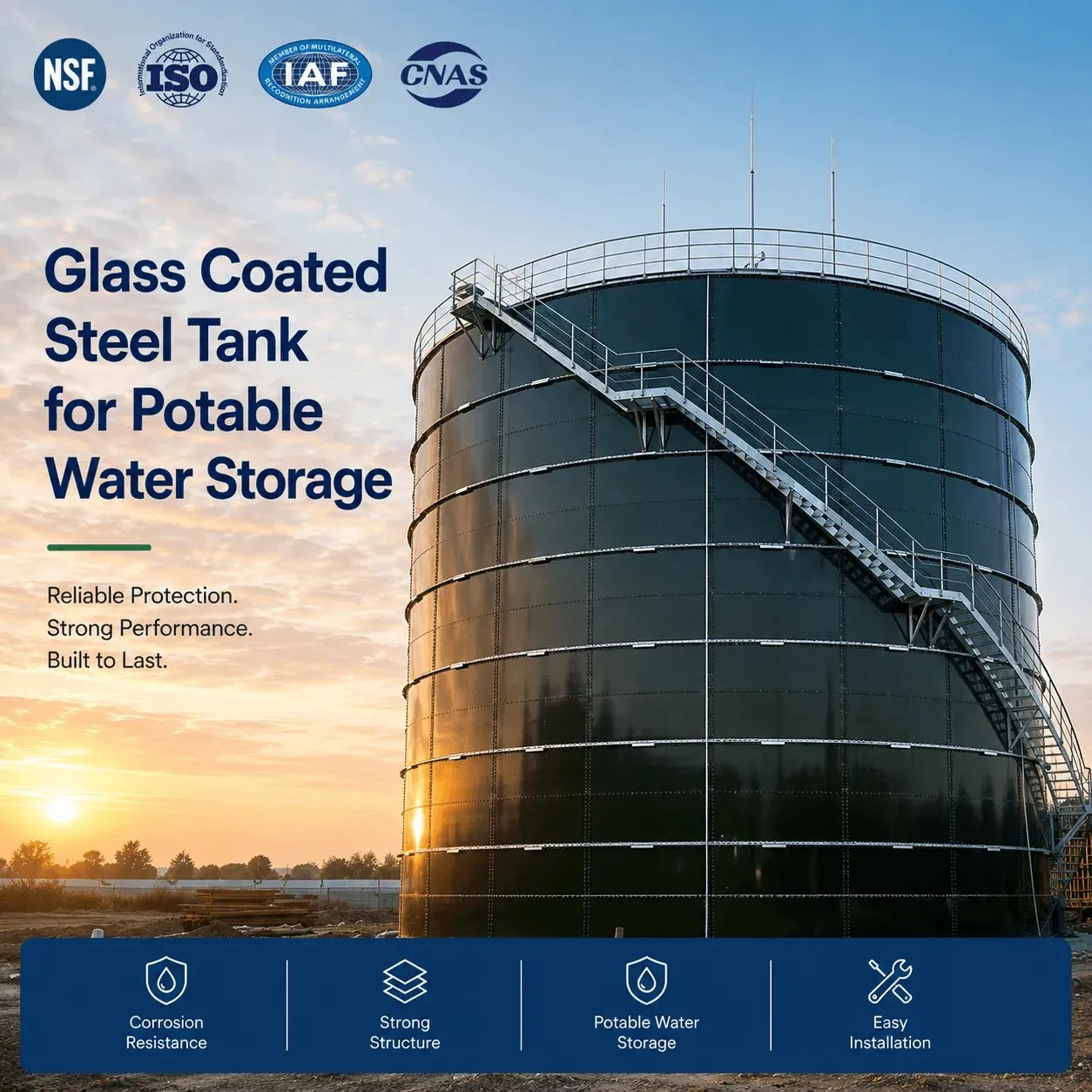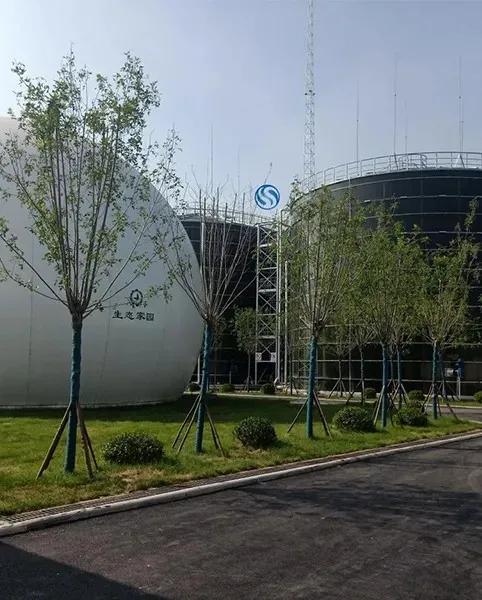
Municipal water infrastructure projects demand reliable, long-lasting, and cost-effective storage solutions. Whether the application involves drinking water storage, wastewater treatment, stormwater management, or sludge containment, selecting the right storage tank is critical to project success.
In recent years, Glass Fused to Steel (GFS) tanks have become one of the most widely adopted storage solutions for municipal water projects worldwide. Their corrosion resistance, rapid installation, low maintenance requirements, and long service life make them an attractive alternative to traditional concrete tanks and welded steel tanks.
However, not all Glass Fused to Steel tanks offer the same level of performance. Municipal authorities, consulting engineers, EPC contractors, and procurement teams must evaluate numerous technical and commercial factors before making a purchasing decision.
This procurement guide explains everything buyers should know when sourcing Glass Fused to Steel tanks for municipal water projects.
Why Municipal Water Projects Are Choosing Glass Fused to Steel Tanks
Municipal water projects often involve large-scale infrastructure investments with expected service lives exceeding several decades. Storage tanks must withstand varying environmental conditions while maintaining structural integrity and water quality.
Compared with conventional storage solutions, GFS tanks offer several advantages:
Exceptional corrosion resistance
Long service life
Factory-controlled manufacturing quality
Faster construction schedules
Lower lifecycle costs
Minimal maintenance requirements
Flexible capacity expansion
Easy transportation to remote locations
These benefits make Glass Fused to Steel tanks suitable for:
Potable water storage
Wastewater treatment plants
Equalization tanks
Sludge storage tanks
Leachate storage tanks
Fire protection water reservoirs
Stormwater retention systems
Industrial water treatment facilities
For municipalities seeking reliable infrastructure with predictable operating costs, GFS tanks often provide the best balance between performance and investment.
Understanding How Glass Fused to Steel Technology Works
Glass Fused to Steel technology combines the strength of steel with the corrosion resistance of glass.
During manufacturing, specially formulated glass coatings are fused to steel panels at temperatures exceeding 800°C. This process creates a permanent bond between the glass layer and the steel substrate.
The resulting surface offers:
Chemical resistance
Abrasion resistance
UV resistance
Corrosion protection
Smooth, non-porous finish
Unlike painted or epoxy-coated tanks, the glass coating becomes an integral part of the steel panel rather than a surface treatment that can peel or degrade over time.
For municipal water applications, this technology helps ensure long-term durability while reducing maintenance costs.
Key Procurement Criteria for Municipal Water Projects
1. Compliance with International Standards
The first step in evaluating suppliers is verifying compliance with recognized international standards.
Important standards may include:
AWWA D103
ISO 28765
NSF/ANSI 61
EN ISO standards
OSHA safety requirements
Local municipal regulations
A supplier should be able to provide certification documentation, testing reports, and quality records demonstrating compliance.
Failure to verify standards can lead to project delays, regulatory issues, and unexpected costs.
2. Enamel Quality and Coating Performance
The enamel coating is arguably the most important component of a Glass Fused to Steel tank.
Buyers should evaluate:
Coating Thickness
Adequate coating thickness contributes to:
Corrosion resistance
Impact resistance
Service life
Adhesion Strength
Strong bonding between glass and steel prevents:
Delamination
Chipping
Surface failure
Chemical Resistance
Municipal wastewater environments often contain aggressive chemicals.
The coating should resist:
Acids
Alkalis
Sulfides
Chlorides
Organic contaminants
Request laboratory testing data whenever possible.
3. Design Life Expectations
Municipal infrastructure projects are long-term investments.
A high-quality GFS tank should offer:
30+ years service life
Low maintenance requirements
Consistent performance under varying conditions
When comparing suppliers, procurement teams should focus on lifecycle cost rather than simply selecting the lowest initial price.
A lower-cost tank with reduced durability may result in significantly higher costs over the life of the project.
4. Structural Engineering Capability
Every municipal project has unique design requirements.
Factors affecting tank design include:
Seismic loads
Wind loads
Snow loads
Soil conditions
Water depth
Site elevation
Temperature variations
An experienced manufacturer should provide detailed engineering calculations tailored to project conditions.
Custom engineering support is particularly important for large municipal installations.
5. Tank Capacity and Future Expansion
Municipal populations often grow over time.
When procuring a storage tank, buyers should consider future expansion needs.
Modular bolted tank systems offer significant flexibility because additional capacity can often be added without replacing the entire structure.
Questions to ask include:
Can the tank be expanded later?
What are the expansion limitations?
Will future upgrades require major reconstruction?
Planning for growth during the initial procurement phase can significantly reduce future capital expenditures.
Comparing Glass Fused to Steel Tanks with Alternative Solutions
GFS Tanks vs Concrete Tanks
Concrete tanks have historically been common in municipal applications.
However, they present several challenges:
Longer construction schedules
Potential cracking
Higher maintenance costs
Difficult repairs
Site-dependent construction quality
Glass Fused to Steel tanks often provide:
Faster installation
Better corrosion resistance
Lower lifecycle costs
More predictable quality control
GFS Tanks vs Welded Steel Tanks
Welded steel tanks require extensive field welding and coating work.
Potential disadvantages include:
Weather-related construction delays
Field coating inconsistencies
Higher labor costs
Longer project schedules
Bolted GFS tanks are typically manufactured in controlled factory environments, improving quality consistency and reducing installation risks.
Questions Procurement Teams Should Ask Suppliers
Before issuing a purchase order, municipal buyers should request answers to the following questions:
Manufacturing Questions
How many years of manufacturing experience do you have?
What is your annual production capacity?
What quality control procedures are implemented?
Technical Questions
Which international standards do your tanks meet?
Can you provide engineering calculations?
What coating testing procedures are used?
Project Questions
What is the estimated installation timeline?
Have you completed similar municipal projects?
Can you provide project references?
Service Questions
What warranty is offered?
Is installation supervision available?
What after-sales support is provided?
A qualified supplier should be able to provide detailed and transparent answers.
Common Procurement Mistakes to Avoid
Choosing Based Solely on Price
The lowest quotation may not represent the lowest overall project cost.
Consider:
Installation expenses
Maintenance costs
Expected lifespan
Repair requirements
Ignoring Coating Quality
Enamel quality directly impacts long-term performance.
Always request testing documentation and quality certifications.
Overlooking Local Conditions
Environmental conditions significantly affect tank design.
Failure to account for seismic activity, wind loads, or temperature extremes can create operational risks.
Underestimating Future Capacity Requirements
Many municipalities outgrow infrastructure sooner than expected.
Selecting a scalable tank solution helps accommodate future demand.
Installation Considerations for Municipal Projects
One of the major advantages of Glass Fused to Steel tanks is installation efficiency.
Because panels arrive prefabricated, onsite construction is simplified.
Benefits include:
Reduced labor requirements
Faster project completion
Lower weather-related risks
Improved construction safety
For municipalities facing tight project schedules, these advantages can significantly reduce implementation timelines.
Lifecycle Cost Analysis
Municipal procurement decisions should focus on total cost of ownership rather than purchase price alone.
Lifecycle costs include:
Initial procurement
Transportation
Installation
Maintenance
Repairs
Operational downtime
Replacement costs
When analyzed over a 30-year period, high-quality Glass Fused to Steel tanks frequently demonstrate superior economic performance compared with many traditional alternatives.
Final Thoughts
Selecting the right Glass Fused to Steel tank supplier is a critical decision for any municipal water project. Procurement teams must carefully evaluate coating quality, engineering capabilities, international certifications, installation support, lifecycle costs, and long-term reliability.
A well-designed GFS tank can provide decades of dependable service while helping municipalities reduce maintenance expenses and accelerate project delivery. By conducting a thorough supplier evaluation and focusing on long-term value rather than initial cost alone, project stakeholders can maximize infrastructure performance and protect public investment.
For municipalities, EPC contractors, and consulting engineers seeking durable, cost-effective, and internationally compliant storage solutions, Wansheng delivers high-quality Glass Fused to Steel tank systems engineered for long-term performance, rapid installation, and reliable operation across a wide range of municipal water applications.