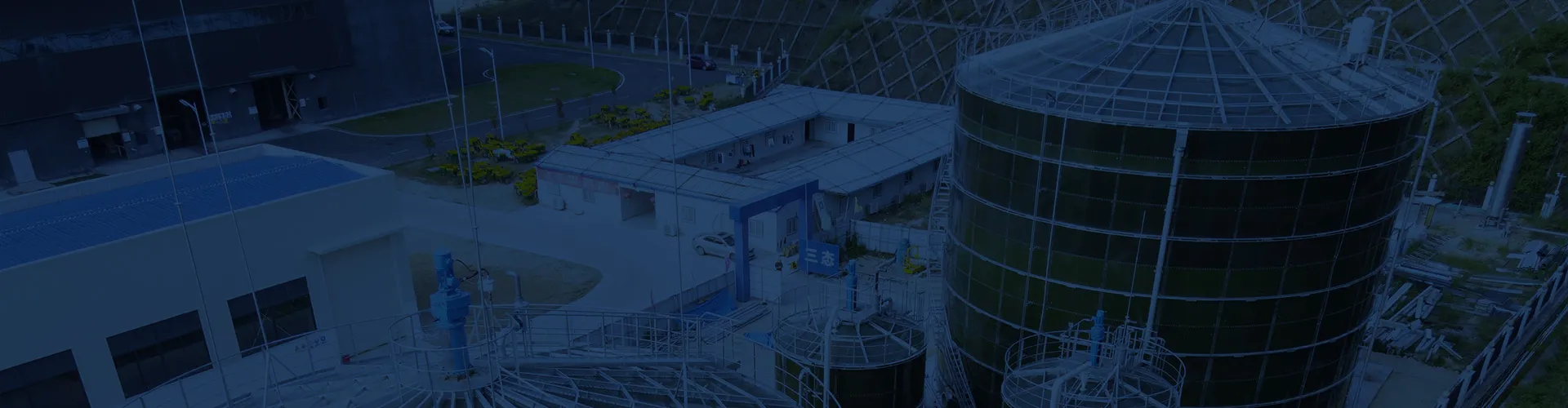
Fire protection is one of the most critical safety systems in power plants and energy facilities. From thermal power stations and nuclear plants to renewable energy farms and substations, fire incidents can cause catastrophic asset damage, long-term operational shutdowns, environmental risks, and even loss of life. Among all fire protection infrastructure components, fire water tanks play a central role in ensuring continuous, reliable, and sufficient water supply during emergency situations.
This article provides a comprehensive analysis of fire water tank solutions for power plants and energy facilities, covering system design, capacity planning, regulatory compliance, installation practices, maintenance strategies, and future development trends. It is designed to help plant owners, EPC contractors, safety managers, and procurement teams make informed decisions and optimize fire protection investments.
1. The Role of Fire Water Tanks in Energy Facility Safety Systems
1.1 Why Fire Water Storage Is Essential
Power plants and energy facilities contain high-risk fire sources, including:
High-voltage electrical equipment
Turbines and generators
Fuel storage systems
Transformers and switchyards
Cable tunnels and control rooms
Lubrication and hydraulic oil systems
In many emergency scenarios, municipal water supply or external firefighting resources cannot meet immediate demand. Fire water tanks ensure:
Immediate water availability
Stable pressure support
Continuous firefighting operations
Backup in case of external supply failure
They serve as the foundation of the entire fire suppression network.
1.2 Integration with Fire Protection Systems
Fire water tanks are connected to multiple safety systems, such as:
Fire hydrant networks
Deluge systems
Sprinkler systems
Foam firefighting systems
Water spray cooling systems
A properly designed tank system ensures synchronized operation across all fire suppression components.
2. Fire Risk Characteristics in Power and Energy Facilities
2.1 Thermal Power Plants
Thermal plants face risks from:
Coal handling systems
Boiler rooms
Fuel oil storage
Turbine lubrication systems
Ash handling units
These areas require high-capacity, long-duration firefighting water supply.
2.2 Nuclear Power Facilities
Nuclear plants require extremely high fire safety standards due to:
Radiation containment zones
Critical cooling systems
Redundant safety barriers
Fire water systems must be highly reliable, with multiple redundancy layers.
2.3 Renewable Energy Facilities
Wind, solar, and energy storage facilities present different risks:
Battery thermal runaway
Inverter fires
Transformer explosions
Electrical arc faults
Fire water tanks support cooling, suppression, and exposure protection.
2.4 Substations and Transmission Facilities
Substations contain oil-filled transformers and high-voltage equipment that can ignite rapidly. Fire water systems must deliver large flow rates within seconds.
3. Fire Water Tank Capacity Planning and System Design
3.1 Determining Required Storage Volume
Tank capacity depends on several engineering parameters:
Maximum fire scenario
Required firefighting duration
Water flow rate
Simultaneous fire zones
Reserve safety margin
Typical design duration ranges from 2 to 6 hours, depending on risk classification and regulations.
3.2 Hydraulic Demand Analysis
Engineers calculate:
Peak water flow rate
Pressure loss in pipelines
Pump performance curves
Elevation differences
System friction losses
This ensures sufficient water delivery at all critical points.
3.3 Single Tank vs. Multiple Tank Systems
Single Large Tank
Advantages:
Lower installation cost
Simpler layout
Reduced footprint
Limitations:
No redundancy
Higher failure risk
Multiple Modular Tanks
Advantages:
Built-in redundancy
Easier maintenance
Scalable capacity
Limitations:
Higher initial investment
More complex control systems
Most modern power plants prefer modular multi-tank configurations.
3.4 Location and Layout Planning
Fire water tanks must be positioned to:
Minimize pipe length
Avoid flood-prone zones
Maintain safe distance from high-risk areas
Allow easy vehicle access
Support gravity-fed backup supply
Proper site planning improves system reliability.
4. Types of Fire Water Tanks for Energy Facilities
4.1 Bolted Steel Tanks
Characteristics:
Prefabricated panels
Rapid on-site installation
Corrosion-resistant coatings
High structural strength
Suitable for medium to large power plants.
4.2 Welded Steel Tanks
Characteristics:
Fully welded structure
High pressure resistance
Long service life
Customizable dimensions
Common in large-scale thermal and nuclear facilities.
4.3 Concrete Fire Water Tanks
Characteristics:
Excellent durability
Underground installation options
High fire resistance
Minimal thermal expansion
Preferred where land availability is limited.
4.4 Elevated Fire Water Tanks
Characteristics:
Gravity-fed pressure support
Emergency backup function
Reduced dependence on pumps
Often used as secondary safety reserves.
5. Regulatory Standards and Compliance Requirements
5.1 International Fire Protection Standards
Fire water tank systems must comply with:
NFPA standards
FM Global guidelines
ISO fire protection norms
IEC safety frameworks
Compliance ensures insurance approval and regulatory acceptance.
5.2 National and Regional Regulations
Local authorities often specify:
Minimum storage volumes
Inspection frequency
Testing procedures
Material specifications
Safety clearance distances
Failure to comply may result in operational suspension.
5.3 Environmental and Safety Compliance
Designs must also address:
Leakage prevention
Soil contamination protection
Overflow management
Structural safety
Environmental compliance is increasingly important for energy projects.
6. Installation and Commissioning Best Practices
6.1 Foundation and Structural Preparation
Key requirements include:
Soil bearing capacity analysis
Reinforced concrete base
Settlement control measures
Drainage systems
Improper foundation design leads to long-term structural failures.
6.2 Mechanical and Hydraulic Integration
Installation teams must ensure:
Proper pipe alignment
Secure flange connections
Valve accessibility
Pressure testing
Flow testing
System integrity depends on precise mechanical work.
6.3 Commissioning and Performance Testing
Before operation, tanks undergo:
Hydrostatic testing
Leak detection
Flow simulation
Pump integration testing
Emergency response drills
These steps validate system readiness.
7. Maintenance and Lifecycle Management
7.1 Routine Inspection Programs
Regular inspections should cover:
Tank wall condition
Corrosion status
Coating integrity
Joint tightness
Sediment accumulation
Early detection reduces long-term repair costs.
7.2 Water Quality Management
Fire water quality affects system performance:
Sediment buildup reduces volume
Microbial growth damages coatings
Corrosion accelerates degradation
Periodic cleaning and treatment are essential.
7.3 Predictive Maintenance Technologies
Modern facilities use:
Corrosion sensors
Structural health monitoring
Remote level sensors
Digital inspection records
These tools improve maintenance efficiency.
8. Cost Optimization Strategies for Fire Water Tank Projects
8.1 Total Cost of Ownership (TCO) Analysis
Instead of focusing only on purchase price, owners should evaluate:
Installation cost
Maintenance expense
Service life
Downtime risk
Upgrade flexibility
Lower initial cost does not always mean lower lifetime cost.
8.2 Modular Expansion Planning
Future-proof designs allow:
Capacity expansion
System upgrades
Integration of new safety zones
This reduces future capital expenditure.
8.3 Supplier Qualification and Risk Control
Reliable suppliers provide:
Engineering support
Certification documentation
After-sales service
Spare parts availability
Supplier quality directly impacts system reliability.
9. Common Challenges and Practical Solutions
9.1 Insufficient Fire Water Capacity
Problem:
Underestimated fire scenarios.
Solution:
Comprehensive risk assessment and conservative safety margins.
9.2 Corrosion and Structural Degradation
Problem:
Harsh environmental exposure.
Solution:
Advanced coatings, cathodic protection, and regular inspections.
9.3 System Downtime During Maintenance
Problem:
Maintenance disrupts operations.
Solution:
Redundant tank systems and sectional isolation valves.
9.4 Regulatory Approval Delays
Problem:
Incomplete documentation.
Solution:
Early engagement with authorities and certified engineering partners.
10. Future Trends in Fire Water Tank Systems
10.1 Digitalized Fire Protection Management
Emerging systems integrate:
Real-time monitoring
Automated alarms
Cloud-based reporting
Predictive analytics
This enhances emergency response speed.
10.2 Smart Integration with Plant Management Systems
Fire water tanks are increasingly connected to:
SCADA systems
Asset management platforms
Emergency control centers
This improves coordination during incidents.
10.3 Sustainability-Oriented Designs
Future systems emphasize:
Water recycling
Rainwater integration
Energy-efficient pumping
Reduced environmental footprint
Sustainability is becoming a core design criterion.
Conclusion: Building Resilient Fire Water Infrastructure for Energy Facilities
Fire water tanks are not passive storage units—they are mission-critical safety assets that protect lives, infrastructure, and operational continuity in power plants and energy facilities. From capacity planning and structural design to regulatory compliance and lifecycle management, every aspect of a fire water tank system influences emergency response effectiveness.
Well-engineered solutions ensure uninterrupted firefighting capability, regulatory confidence, insurance compliance, and long-term cost efficiency. As energy facilities become more complex and safety requirements continue to rise, investing in robust fire water tank infrastructure is a strategic necessity rather than an optional expense.
About Wansheng
At Wansheng, we specialize in delivering reliable, high-performance fire water tank solutions for power plants and energy facilities worldwide. With advanced engineering capabilities, strict quality control, and comprehensive project support, Wansheng helps clients build resilient fire protection systems that safeguard critical assets and ensure long-term operational security. Partner with Wansheng to strengthen your facility’s fire safety foundation and future-proof your energy infrastructure.