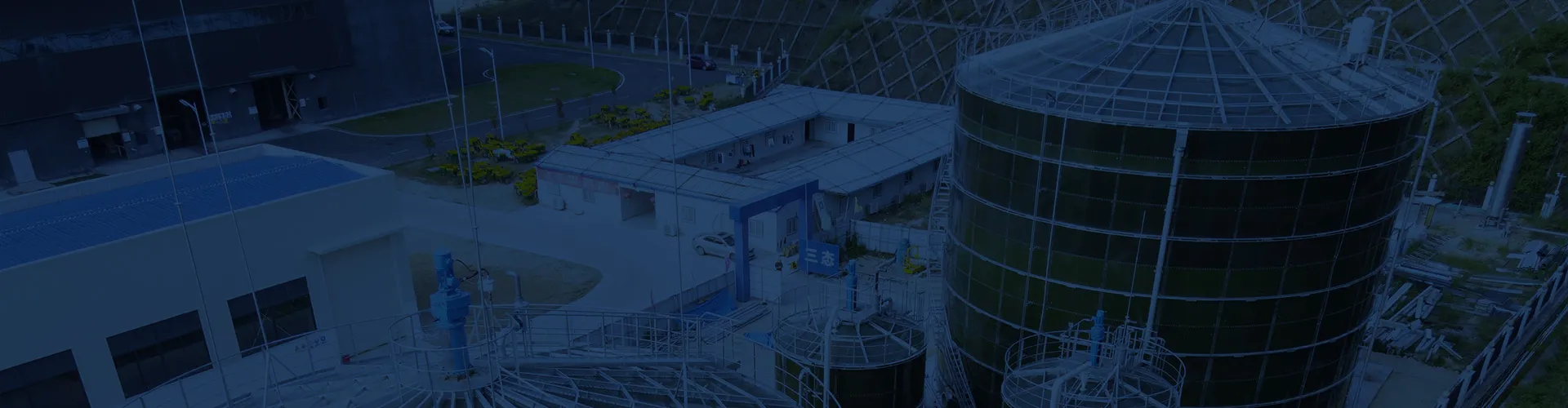
Fire protection is a cornerstone of industrial, commercial, and institutional safety. Among all fire safety assets, fire water tanks play a crucial role in providing a reliable water supply during emergencies. Compliance with NFPA (National Fire Protection Association) standards is essential to ensure that tanks meet operational, structural, and safety requirements.
Understanding and implementing NFPA design requirements is vital for facility managers, EPC contractors, and safety engineers seeking reliable, long-term fire protection solutions. This article explores NFPA guidelines, tank design considerations, materials, installation practices, monitoring, and compliance strategies, providing actionable insights for ensuring fire water systems are robust, compliant, and operationally ready.

Overview of NFPA Standards for Fire Water Tanks
The NFPA 22 Standard for Water Tanks for Private Fire Protection establishes comprehensive guidelines for the design, construction, installation, and maintenance of fire water tanks. Key areas include:
Capacity and Sizing: Tanks must store sufficient water to meet sprinkler, standpipe, and other fire suppression system demands.
Materials and Construction: Approved materials include steel, concrete, and fiberglass, with specific requirements for corrosion protection and structural integrity.
Foundation and Structural Support: Tanks must withstand hydrostatic loads, environmental forces, and operational stresses.
Water Quality and Treatment: Ensuring potable or non-contaminated water for fire systems.
Inspection and Maintenance: NFPA outlines inspection frequency, record-keeping, and testing procedures.
Adhering to these standards ensures operational reliability, reduces liability, and supports regulatory compliance and insurance requirements.
Key Design Requirements Under NFPA Standards
1. Capacity and Hydraulic Considerations
Adequate Volume: NFPA 22 requires water storage capacity based on hazard classification, building occupancy, and fire suppression system design.
Flow Rate and Pressure: Tanks must support adequate hydraulic performance, ensuring sprinklers and standpipes function effectively during emergencies.
Redundancy: NFPA recommends multiple tanks or modular designs for critical applications to avoid single points of failure.
2. Structural Integrity
Hydrostatic Loads: Tanks must withstand water weight without deformation. NFPA specifies minimum design loads for static water and operational stresses.
Environmental Forces: Tanks must be designed for wind, seismic activity, snow loads, and temperature extremes.
Joint and Wall Reinforcement: Welded steel tanks, bolted connections, and reinforced concrete walls require careful design to avoid structural failures.
3. Material Requirements
Steel Tanks: Require proper thickness, corrosion-resistant coatings, and periodic inspection of welded seams.
Fiberglass (GFS) Tanks: Must be reinforced to handle hydrostatic pressure, with UV and chemical-resistant coatings for durability.
Concrete Tanks: Reinforced for underground or above-ground installation; protective additives prevent chemical and water-induced deterioration.
4. Corrosion Protection
Internal Protection: Epoxy, polyurethane, or enamel coatings for steel tanks; GFS naturally resists corrosion.
External Protection: Coatings or cathodic protection for tanks exposed to harsh environments.
Water Quality: Maintaining proper pH, chemical balance, and preventing microbial growth reduces corrosion risk.
5. Monitoring and Safety Features
NFPA encourages integration of level sensors, pressure gauges, and flow meters for continuous monitoring.
Alarm systems should alert operators to low water levels, leaks, or pressure drops.
Data logging supports regulatory compliance and facilitates predictive maintenance.
Installation Guidelines
Above-Ground Tanks
Require stable foundations to prevent settlement.
Accessible for inspection, maintenance, and repairs.
Proper anchoring for wind and seismic resistance.
Underground Tanks
Require reinforced walls and corrosion-resistant coatings.
Drainage and access points for maintenance and inspection.
Minimized environmental impact and protected from external damage.
Pre-Engineered and Modular Tanks
Allow rapid installation, compliance with NFPA design requirements, and flexible capacity expansion.
Ideal for industrial plants or commercial complexes requiring minimal downtime.
Maintenance and Compliance
NFPA standards emphasize ongoing inspection, testing, and documentation:
Visual Inspections: Monthly or quarterly inspections for leaks, coatings, and structural integrity.
Hydrostatic Testing: Periodic pressure testing ensures tank integrity.
Cleaning and Water Treatment: Prevent sediment buildup and microbial contamination.
Record-Keeping: Detailed logs support regulatory inspections and insurance audits.
Integration of sensor-based monitoring systems simplifies compliance, reduces manual checks, and provides real-time alerts for potential issues.
Benefits of NFPA-Compliant Fire Water Tanks
Enhanced Operational Safety
Ensures reliable water supply during emergencies, protecting lives, assets, and infrastructure.
Regulatory Assurance
Demonstrates compliance with NFPA and local fire codes, reducing legal and insurance risks.
Long-Term Reliability
Proper structural design and corrosion protection extend tank service life, reducing maintenance costs.
Predictive Maintenance and Efficiency
Sensor data enables proactive interventions, minimizing downtime and operational disruption.
Real-World Applications
Industrial Facilities
Chemical plants and refineries rely on NFPA-compliant tanks to meet high-capacity and safety requirements.
Sensor-equipped steel or GFS tanks provide early detection of leaks and structural issues.
Commercial Buildings
High-rise offices and hotels use underground or rooftop tanks designed per NFPA standards for fire protection coverage.
Regular monitoring and data logging streamline inspections and compliance reporting.
Rural and Remote Infrastructure
Facilities with limited municipal water supply benefit from NFPA-compliant storage tanks with adequate capacity and monitoring to ensure emergency readiness.
Best Practices for Facility Managers
Conduct a capacity and structural assessment before designing or upgrading tanks.
Select materials based on environmental exposure, load, and longevity.
Integrate monitoring systems for water level, pressure, and corrosion.
Schedule regular inspections and preventive maintenance in line with NFPA guidelines.
Maintain detailed records to demonstrate compliance for audits and insurance purposes.
Conclusion
Adhering to NFPA standards in the design, construction, and maintenance of fire water tanks ensures operational safety, compliance, and long-term reliability. Structural integrity, corrosion protection, capacity planning, and monitoring are essential for effective fire water storage. Facilities across industrial, commercial, and remote sectors can benefit from NFPA-compliant tanks that minimize risk and optimize emergency readiness.
For facilities seeking NFPA-compliant, durable, and low-maintenance fire water tank solutions tailored to long-term operational needs, Wansheng provides advanced systems and expert support to ensure your fire protection infrastructure remains fully operational and reliable.