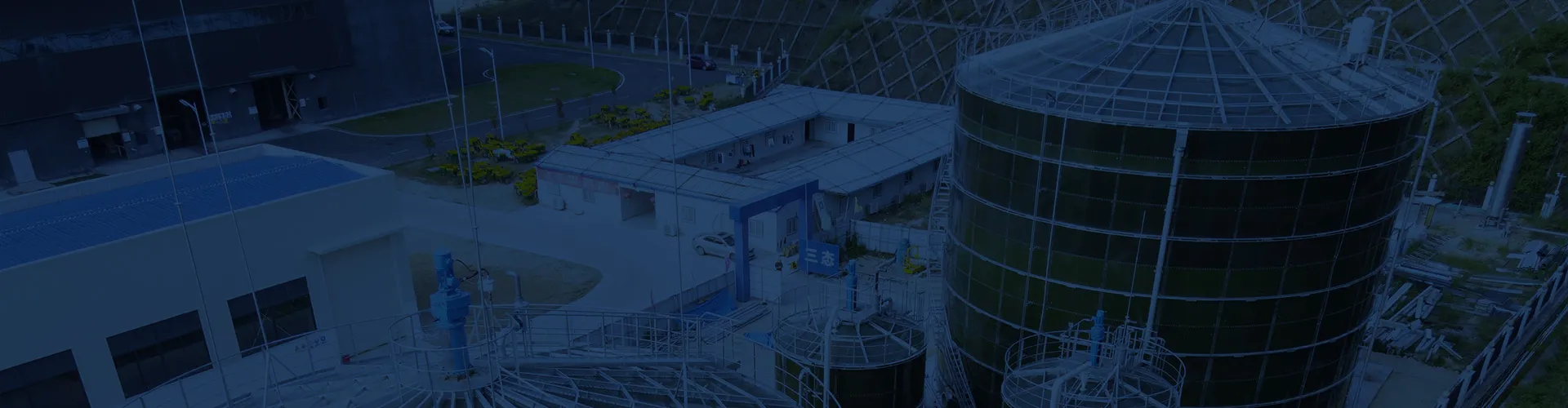
Fire water storage tanks are a critical component of fire protection systems in industrial plants, commercial complexes, municipal facilities, and large-scale infrastructure projects. Ensuring that the tank provides adequate water supply during emergencies requires precise calculation of capacity, adherence to safety standards, and consideration of operational requirements. An incorrectly sized tank can lead to insufficient fire suppression, regulatory non-compliance, and increased risk to life and property.
This article explores the essential considerations engineers must account for when calculating fire water tank capacity, with a focus on large-scale, durable solutions such as Glass Fused To Steel Tank systems.
Why Accurate Fire Water Tank Capacity Matters
Fire water systems must deliver sufficient water volume and pressure for fire pumps, sprinklers, hydrants, and other firefighting equipment. Under-sizing a tank can compromise system effectiveness, while over-sizing can result in unnecessary capital expenditure and operational inefficiencies.
Key objectives of fire water tank sizing include:
Meeting regulatory and insurance requirements.
Ensuring uninterrupted firefighting capacity for the duration of a fire event.
Supporting fire pump operations without pressure drops.
Providing buffer storage for additional needs such as maintenance or accidental losses.
Regulatory Standards and Guidelines
Engineers must align fire water tank design with international and local standards. Common references include:
NFPA 22 (National Fire Protection Association): Provides minimum storage capacity calculations for water tanks used for fire protection.
Local Fire Codes: Many countries impose additional requirements based on occupancy type, building height, and fire risk.
Insurance Requirements: Insurance underwriters may require extra storage for industrial or high-risk facilities.
Understanding these standards is the first step toward accurate capacity calculation and compliance.
Step-by-Step Fire Water Tank Capacity Calculation
1. Determine Fire Flow Requirements
The fire flow is the volume of water needed per minute to suppress a fire in the designated area. Fire flow depends on:
Building type (residential, industrial, storage facilities).
Fire load (combustible materials and occupancy density).
Number and type of sprinklers, hydrants, or deluge systems.
The formula to calculate fire flow is often provided in codes such as NFPA 22. For example:
Fire Flow (L/min) = Area × Fire Load Factor × Safety Factor
Safety factors account for potential simultaneous fires, pump inefficiencies, or unforeseen water losses.
2. Determine Duration of Water Supply
Fire water tanks must provide water for a specific duration, typically ranging from 30 minutes to 4 hours, depending on the hazard level and code requirements. The duration ensures that firefighting operations can continue uninterrupted until external water sources or firefighting teams arrive.
3. Calculate Required Capacity
Once fire flow and duration are known, the basic tank capacity can be calculated using:
Tank Capacity (Liters) = Fire Flow (L/min) × Duration (min)
For example, if the fire flow requirement is 2,500 L/min and the designed supply duration is 60 minutes:
Tank Capacity = 2,500 × 60 = 150,000 Liters
4. Include Additional Considerations
Engineers should also account for:
Fire Pump Suction Head Losses: Ensure enough volume remains at pump intake to maintain pressure.
Water Losses: Leakage, evaporation, or residual water in piping may require additional storage.
Future Expansion: Facilities may grow over time; modular tank systems allow for scalable capacity.
Separate Storage: Some projects require dedicated fire water tanks separate from process or domestic water.
Choosing the Right Tank Type
Selecting the proper tank material and design is critical for fire water storage. Common options include:
1. Concrete Tanks
Pros: Robust, long-lasting, fire-resistant.
Cons: Heavy, expensive foundation, longer construction time, limited modularity.
2. Welded Steel Tanks
Pros: High strength, large capacities.
Cons: Corrosion risk, requires coatings and maintenance, skilled labor-intensive construction.
3. Modular Glass Fused To Steel Tank Systems
Pros:
Corrosion-resistant: The glass enamel coating prevents rust and chemical degradation.
Rapid Installation: Modular panels allow for fast assembly on-site.
Low Maintenance: Minimal labor required over tank lifespan.
Scalable Capacity: Panels can be added to expand storage as needs grow.
Compliance: Meets international fire water storage standards.
Ideal for industrial complexes, municipal water networks, and any facility where both capacity and reliability are critical.
Fire Water Tank Layout and Integration
Designing the tank layout is as important as sizing. Key considerations include:
Proximity to Fire Risk Areas: Tanks should be located to minimize pipe lengths and ensure rapid delivery to sprinklers and hydrants.
Pump Room Integration: Tanks should be connected to fire pumps with proper suction piping, valves, and isolation systems.
Overflow and Drainage: Include overflow systems to prevent spillage and ensure environmental safety.
Seismic and Environmental Resilience: Modular tanks like GFS systems can withstand seismic events and temperature fluctuations better than conventional steel tanks.
Maintenance and Safety Considerations
Even with durable Glass Fused To Steel Tank systems, maintenance ensures long-term reliability:
Periodic Inspections: Check panel joints, coatings, and access hatches.
Water Quality Monitoring: Prevent sediment buildup and microbial growth.
Pump and Piping Testing: Verify the fire water system is ready for emergency response.
Documentation: Maintain records for regulatory compliance and insurance audits.
Because GFS tanks resist corrosion and maintain structural integrity, maintenance labor is significantly reduced compared to conventional tanks, offering both operational efficiency and cost savings.
Optimizing Costs While Ensuring Safety
Fire water storage projects often face budget constraints. Engineers can optimize costs without compromising safety by:
Selecting modular GFS tank systems to reduce labor and construction time.
Designing tanks based on precise fire flow and duration requirements, avoiding unnecessary oversizing.
Coordinating tank location, piping layout, and pump design for maximum efficiency.
Leveraging factory-level quality control to minimize on-site corrections and inspections.
By combining engineering calculations with high-quality modular materials, project teams achieve both safety compliance and cost-effectiveness.
Conclusion
Accurate fire water tank capacity calculation is a critical step in designing effective fire protection systems. Engineers must consider fire flow requirements, duration, losses, and future growth while selecting a tank that ensures long-term reliability. Modular Glass Fused To Steel Tank systems provide an optimal solution for large-capacity fire water storage, offering corrosion resistance, low maintenance, rapid installation, and scalable design.
For project managers, procurement specialists, and engineers seeking reliable and efficient fire water solutions, Wansheng delivers world-class Glass Fused To Steel Tank systems with expert support in design, installation, and maintenance.
Wansheng – Your trusted partner for safe, durable, and cost-efficient fire water storage solutions.