When selecting a storage tank for water treatment, wastewater management, industrial processing, agriculture, biogas production, or fire protection systems, many buyers focus primarily on initial purchase price. However, experienced project owners, EPC contractors, and facility managers understand that the true cost of a storage tank extends far beyond the initial investment.
Maintenance requirements play a critical role in determining the total lifecycle cost of any storage tank system. Frequent repairs, coating failures, corrosion issues, structural deterioration, and operational downtime can significantly increase long-term expenses and reduce project profitability.
Different storage tank technologies have vastly different maintenance demands. Understanding these differences before procurement can help buyers select a solution that delivers long-term value, reliability, and operational efficiency.
This guide compares the maintenance requirements of the most commonly used storage tank types and explains how maintenance impacts overall project costs.
Why Maintenance Matters in Storage Tank Selection
Storage tanks are expected to operate continuously for decades under challenging environmental conditions. Depending on the application, tanks may be exposed to:
Moisture
UV radiation
Corrosive chemicals
Temperature fluctuations
Biological activity
Abrasive materials
Ground movement
Wind and seismic loads
Over time, these conditions can cause deterioration that affects structural integrity, water quality, operational safety, and regulatory compliance.
Maintenance requirements directly influence:
Operating expenses
Downtime costs
Repair budgets
Labor requirements
Asset lifespan
Return on investment
For municipal and industrial projects with expected service lives of 20 to 50 years, maintenance planning should be a key factor in procurement decisions.
Major Storage Tank Types Used Today
The most common storage tank technologies include:
Concrete Tanks
Welded Steel Tanks
Epoxy-Coated Steel Tanks
Stainless Steel Tanks
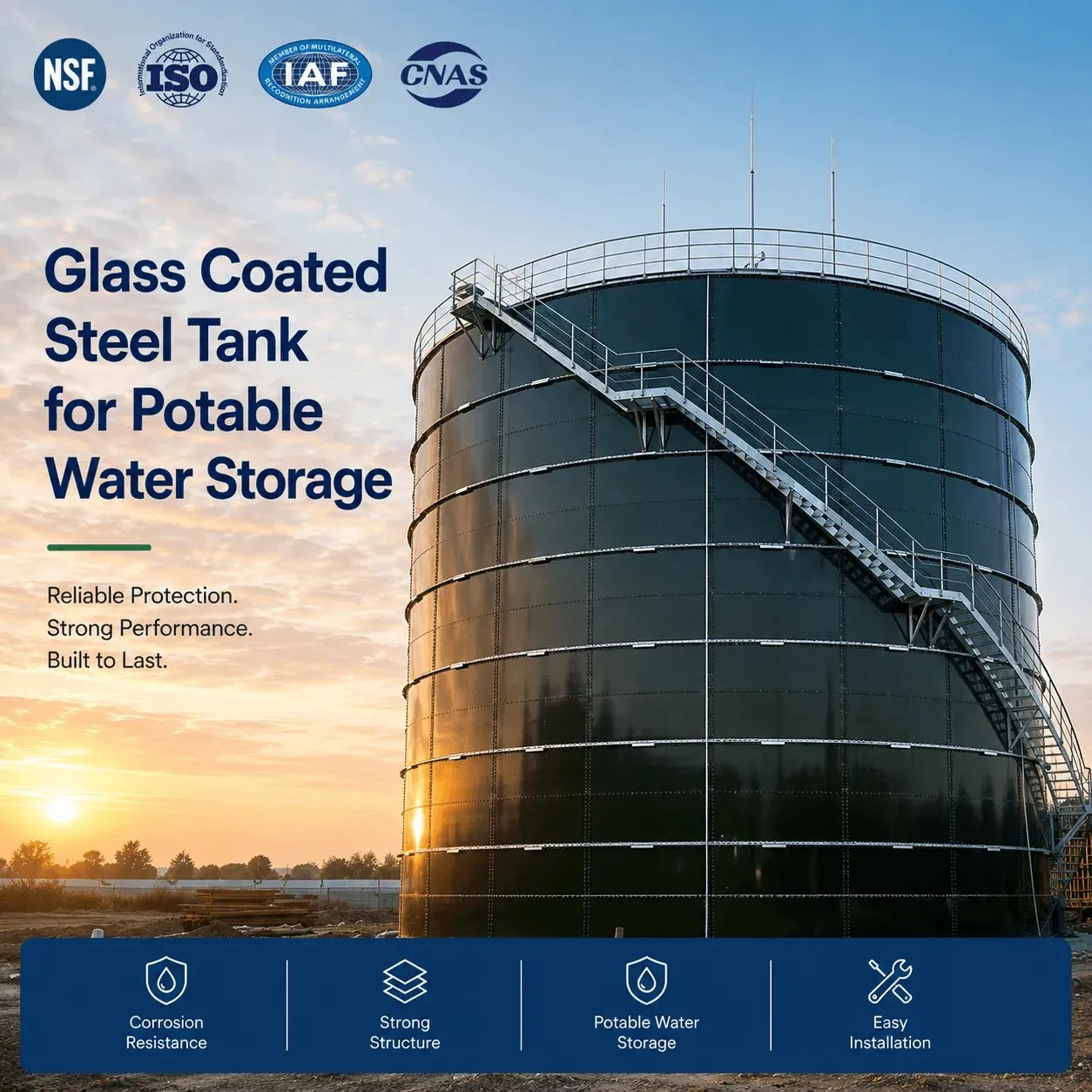
Glass Fused to Steel Tanks
Fiberglass Reinforced Plastic (FRP) Tanks
Polyethylene Tanks
Each tank type offers different strengths and weaknesses regarding maintenance.
Concrete Tanks
Typical Applications
Concrete tanks are widely used in:
Municipal water treatment
Wastewater treatment
Reservoir systems
Sludge storage
Large-capacity infrastructure projects
Common Maintenance Requirements
Although concrete is often perceived as a durable material, it requires ongoing monitoring and maintenance.
Common issues include:
Surface cracking
Structural settlement
Water leakage
Joint deterioration
Reinforcement corrosion
Chemical attack
Concrete is naturally porous. Over time, water infiltration and chemical exposure can weaken the structure and accelerate deterioration.
Maintenance Activities
Facility operators often perform:
Crack inspections
Joint sealing repairs
Waterproof coating renewal
Structural assessments
Leak remediation
Concrete rehabilitation
Long-Term Maintenance Burden
As concrete tanks age, repair frequency typically increases. Major rehabilitation projects can be expensive and disruptive, especially for tanks that must remain operational during repairs.
Maintenance Rating
High
Welded Steel Tanks
Typical Applications
Welded steel tanks are commonly used for:
Industrial water storage
Petroleum products
Chemical storage
Fire protection systems
Common Maintenance Requirements
Steel offers excellent strength but is vulnerable to corrosion if protective coatings fail.
Typical maintenance concerns include:
Rust formation
Coating degradation
Weld seam corrosion
Surface pitting
Internal corrosion
Maintenance Activities
Operators typically perform:
Regular coating inspections
Spot coating repairs
Surface preparation
Corrosion treatment
Weld inspections
Repainting programs
Long-Term Maintenance Burden
Protective coatings gradually deteriorate due to weather exposure and chemical attack. Large welded steel tanks often require periodic recoating projects throughout their service life.
Maintenance Rating
High
Epoxy-Coated Steel Tanks
Typical Applications
Epoxy-coated steel tanks are frequently used for:
Potable water storage
Process water systems
Industrial applications
Common Maintenance Requirements
Epoxy coatings provide initial corrosion protection but may degrade over time.
Potential issues include:
Coating delamination
UV degradation
Surface blistering
Impact damage
Localized corrosion
Maintenance Activities
Required maintenance often includes:
Routine inspections
Touch-up coating repairs
Surface preparation
Partial recoating
Corrosion monitoring
Long-Term Maintenance Burden
While maintenance requirements are generally lower than conventional painted steel tanks, periodic coating repairs remain necessary throughout the tank’s service life.
Maintenance Rating
Moderate to High
Stainless Steel Tanks
Typical Applications
Stainless steel tanks are widely used in:
Food processing
Pharmaceutical production
Drinking water storage
High-purity applications
Common Maintenance Requirements
Stainless steel provides excellent corrosion resistance under many operating conditions.
However, it is not maintenance-free.
Potential issues include:
Chloride corrosion
Surface contamination
Weld discoloration
Stress corrosion cracking
Scaling buildup
Maintenance Activities
Maintenance programs may include:
Surface cleaning
Passivation treatment
Corrosion inspections
Weld evaluations
Chemical compatibility assessments
Long-Term Maintenance Burden
Although stainless steel requires less maintenance than carbon steel, periodic inspections remain important, particularly in aggressive environments.
Maintenance Rating
Low to Moderate
Glass Fused to Steel Tanks
Typical Applications
Glass Fused to Steel tanks are commonly used in:
Municipal water projects
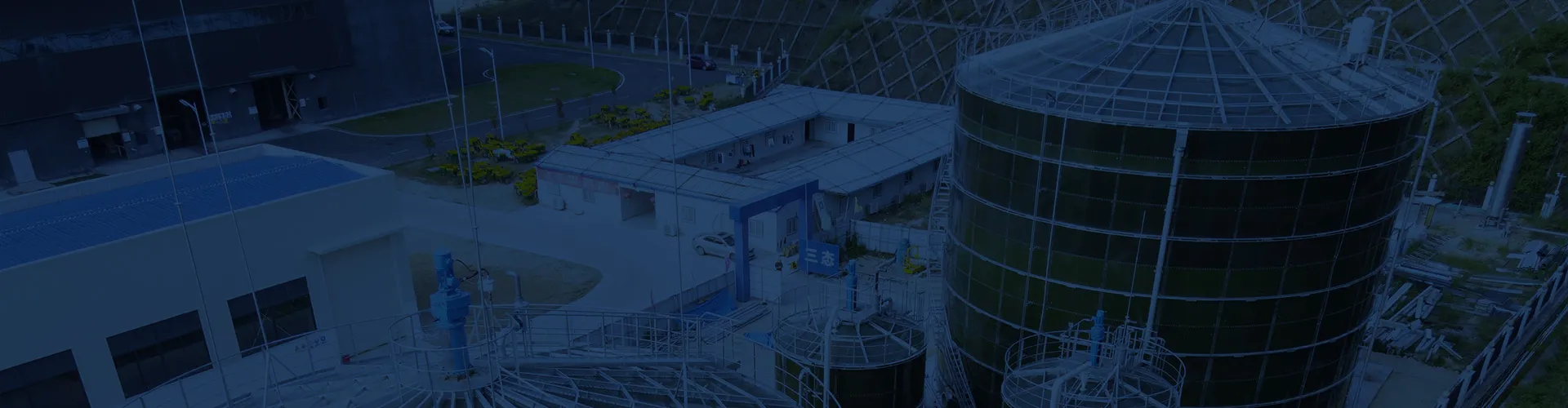
Wastewater treatment plants
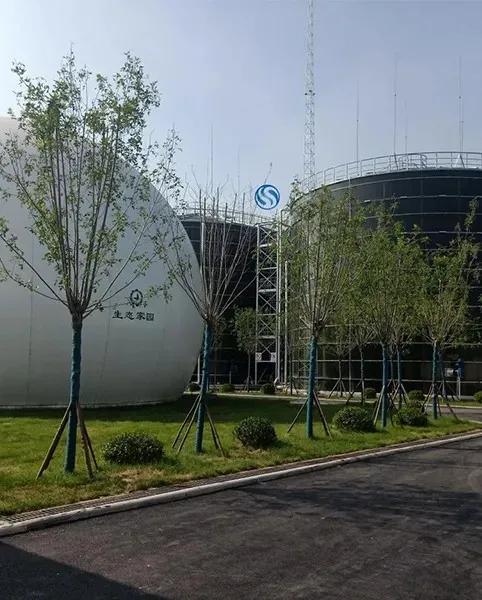
Anaerobic digestion systems
Industrial wastewater storage
Agricultural storage facilities
Common Maintenance Requirements
Glass Fused to Steel technology combines the structural strength of steel with the corrosion resistance of glass.
Because the glass coating is permanently fused to the steel surface at high temperatures, it provides long-lasting protection against corrosion and chemical attack.
Common maintenance concerns are generally limited to:
Routine inspections
Sealant checks
Accessory maintenance
Hardware verification
Maintenance Activities
Typical maintenance programs involve:
Visual inspections
Bolt torque verification
Roof system inspections
Access ladder and platform checks
Unlike coated steel systems, Glass Fused to Steel Tanks generally do not require repainting or recoating during normal operation.
Long-Term Maintenance Burden
The fused glass surface offers exceptional resistance to:
UV exposure
Corrosion
Abrasion
Chemical attack
As a result, maintenance costs are often significantly lower than those associated with concrete or coated steel tanks.
Maintenance Rating
Low
Fiberglass Reinforced Plastic (FRP) Tanks
Typical Applications
FRP tanks are used for:
Chemical storage
Water treatment
Industrial processing
Common Maintenance Requirements
Potential concerns include:
UV degradation
Surface cracking
Resin aging
Mechanical damage
Maintenance Activities
Operators may need to perform:
Surface inspections
Crack repairs
UV protection maintenance
Structural assessments
Long-Term Maintenance Burden
Maintenance requirements are generally moderate, depending on environmental exposure and chemical compatibility.
Maintenance Rating
Moderate
Polyethylene Tanks
Typical Applications
Polyethylene tanks are commonly used for:
Agricultural storage
Small water systems
Chemical storage
Common Maintenance Requirements
Potential issues include:
UV degradation
Material aging
Structural deformation
Temperature sensitivity
Maintenance Activities
Maintenance is usually limited to:
Cleaning
Visual inspections
Fitting replacement
Long-Term Maintenance Burden
Maintenance requirements are relatively low, but service life may be shorter than steel-based alternatives in demanding applications.
Maintenance Rating
Low to Moderate
Maintenance Cost Comparison
When evaluating storage tanks, buyers should consider total ownership costs rather than focusing solely on installation expenses.
Typical maintenance ranking from highest to lowest is:
Concrete Tanks
Welded Steel Tanks
Epoxy-Coated Steel Tanks
FRP Tanks
Stainless Steel Tanks
Polyethylene Tanks
Glass Fused to Steel Tanks
In large municipal and industrial projects, maintenance costs over a 30-year service life can exceed the initial purchase price if the wrong tank technology is selected.
Factors That Influence Maintenance Requirements
Several variables affect maintenance frequency regardless of tank type:
Environmental Conditions
Coastal environments
High humidity
Extreme temperatures
UV exposure
Stored Media
Potable water
Wastewater
Chemicals
Sludge
Digestate
Installation Quality
Poor installation practices can increase maintenance demands throughout the tank’s lifespan.
Inspection Programs
Preventive maintenance often reduces long-term repair costs and extends service life.
Choosing the Right Tank for Long-Term Operational Efficiency
For organizations focused on minimizing operational costs, the ideal tank solution should provide:
Corrosion resistance
Structural reliability
Minimal maintenance
Long service life
Predictable operating costs
While every project has unique requirements, technologies that reduce maintenance interventions often deliver superior long-term value.
Decision-makers should evaluate not only procurement costs but also expected maintenance expenses over the entire lifespan of the asset.
Conclusion
Maintenance requirements vary significantly across different storage tank technologies. Concrete tanks often require ongoing structural repairs, welded steel tanks depend heavily on coating maintenance, and epoxy-coated systems require periodic recoating. Stainless steel and FRP tanks offer improved durability but still require routine monitoring and specialized maintenance in certain environments.
Glass Fused to Steel tanks stand out for their combination of corrosion resistance, structural strength, and low maintenance requirements. Their factory-fused glass coating eliminates many of the common issues associated with traditional coatings, helping operators reduce lifecycle costs and improve long-term reliability.
For project owners, municipalities, EPC contractors, and industrial operators seeking durable storage solutions with minimal maintenance demands, Wansheng provides high-quality storage tank systems engineered for long service life, operational reliability, and cost-effective performance across a wide range of applications.