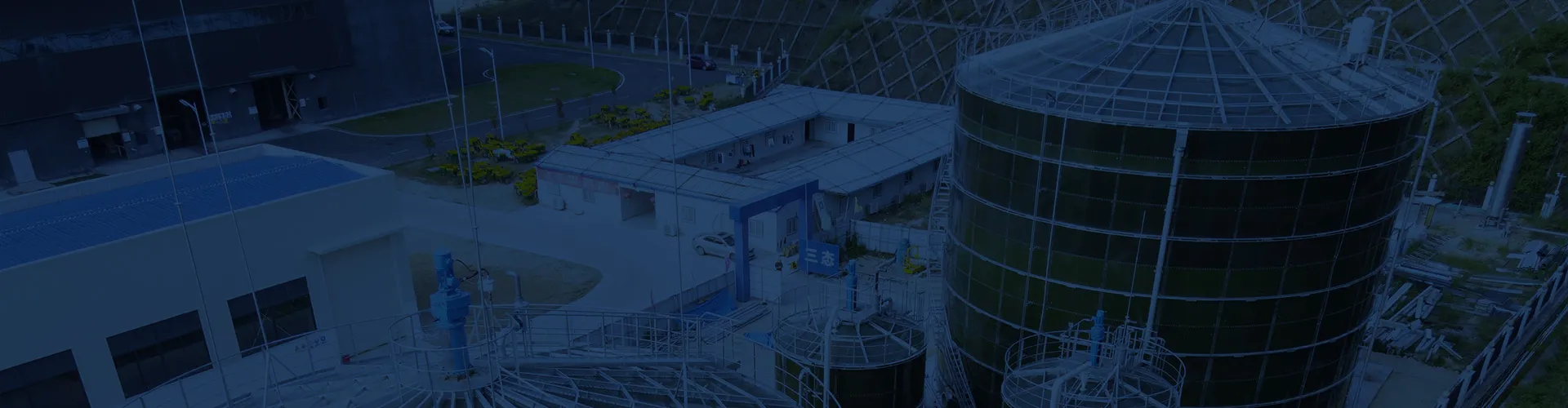
As fire safety regulations continue to tighten and industrial facilities expand in scale and complexity, fire water tanks have become a critical component of modern infrastructure. In 2026, expectations for fire water tank installations go beyond basic storage capacity. Project owners, engineers, and contractors must consider compliance, reliability, installation efficiency, and long-term operational readiness.
This installation guide outlines what to expect when setting up a fire water tank in today’s regulatory and industrial environment, helping stakeholders prepare for each stage of the project with clarity and confidence.
The Growing Importance of Fire Water Tanks in Modern Facilities
Fire water tanks play a vital role in emergency response systems. They provide a dedicated and reliable water supply for:
Fire sprinkler systems
Fire hydrants
Foam-based fire suppression systems
Emergency firefighting operations
In many jurisdictions, fire water tanks are mandatory for industrial plants, power facilities, warehouses, logistics centers, chemical sites, and large commercial developments. The installation process must meet strict standards to ensure immediate availability during emergencies.
Step 1: Understanding Regulatory and Code Requirements in 2026
Before installation begins, it is essential to understand applicable regulations and codes.
Common requirements include:
Minimum storage capacity
Water refill and recovery time
Structural safety standards
Seismic and wind load compliance
Access and safety provisions
Fire water tank installations are typically reviewed by multiple authorities, including fire departments, building inspectors, and insurance providers. Early coordination helps avoid costly redesigns or approval delays.
Step 2: Site Assessment and Preparation
Proper site preparation is the foundation of a successful fire water tank installation.
Key site factors to evaluate:
Soil bearing capacity
Groundwater level
Flood risk
Accessibility for installation equipment
Proximity to fire pump rooms and pipelines
In 2026, more projects are emphasizing site optimization to reduce civil work costs while ensuring long-term structural stability.
Step 3: Foundation Design and Construction
The foundation must support the full weight of the tank when filled, as well as additional loads from wind, seismic activity, and roof structures.
Common foundation types include:
Reinforced concrete ring foundations
Slab foundations
Pile-supported foundations for weak soil conditions
Accurate leveling and dimensional control are critical. Even minor foundation deviations can affect tank integrity and long-term performance.
Step 4: Tank Structure Installation
Fire water tanks are typically assembled on-site using prefabricated components.
Installation stages often include:
Tank wall panel erection
Bolt tightening and sealing
Structural alignment checks
Roof installation
Modern tank systems are designed for modular assembly, which helps reduce installation time and improves quality consistency. In 2026, fast-track installation is increasingly valued due to tighter project schedules.
Step 5: Roof Installation and Safety Considerations
The roof protects stored water from contamination, evaporation, and external debris.
During roof installation, teams must consider:
Structural load distribution
Weather resistance
Safe working conditions at height
Ventilation and access points
Self-supporting roof designs are often preferred as they eliminate internal columns and simplify internal tank maintenance.
Step 6: Pipe Connections and Fire System Integration
Fire water tanks must be seamlessly integrated with the overall fire protection system.
Key connections include:
Inlet and outlet pipelines
Overflow and drain lines
Fire pump suction lines
Level indicators and alarms
Proper alignment and sealing are essential to prevent leaks and ensure immediate water availability when required.
Step 7: Water Filling, Testing, and Commissioning
Once installation is complete, the tank undergoes a series of tests before being approved for use.
Typical commissioning steps:
Initial water filling and leak inspection
Structural observation under full load
Functional testing of valves and connections
Verification of level monitoring systems
These tests confirm that the tank meets design specifications and can perform reliably under emergency conditions.
Step 8: Coordination with Fire Authorities and Inspectors
Final approval usually requires on-site inspection by fire safety authorities or third-party inspectors.
Inspectors may review:
Installation records
Material certifications
Structural and leakage test results
Accessibility and safety features
Clear documentation and transparent communication help streamline the approval process.
Step 9: Long-Term Operation and Maintenance Expectations
In 2026, fire water tank projects are evaluated not only on installation quality but also on long-term performance.
Owners should plan for:
Periodic inspections
Water quality monitoring
Structural integrity checks
Roof and sealing condition assessments
Low-maintenance designs reduce operational burden and ensure the tank remains ready for emergency use at all times.
Common Challenges in Fire Water Tank Installation
Despite careful planning, challenges can arise.
Common issues include:
Inadequate site preparation
Underestimated foundation requirements
Delays due to regulatory approvals
Poor coordination between contractors
Anticipating these challenges early allows project teams to mitigate risks and avoid costly disruptions.
What Has Changed in Fire Water Tank Installations by 2026
Compared to earlier years, fire water tank installations in 2026 reflect several key trends:
Stronger focus on compliance and documentation
Increased use of modular and prefabricated systems
Greater emphasis on lifecycle performance
Higher expectations for installation efficiency and safety
These changes require a more structured and informed approach from project stakeholders.
Final Thoughts
Setting up a fire water tank in 2026 is a multidisciplinary process involving engineering, regulatory compliance, construction management, and long-term operational planning. Understanding what to expect at each stage allows owners and engineers to make informed decisions, reduce risks, and ensure reliable fire protection for years to come.
A well-installed fire water tank is not just an infrastructure asset—it is a critical safeguard for people, property, and operations.
Wansheng — Reliable Fire Water Tank Solutions Built for Long-Term Safety.